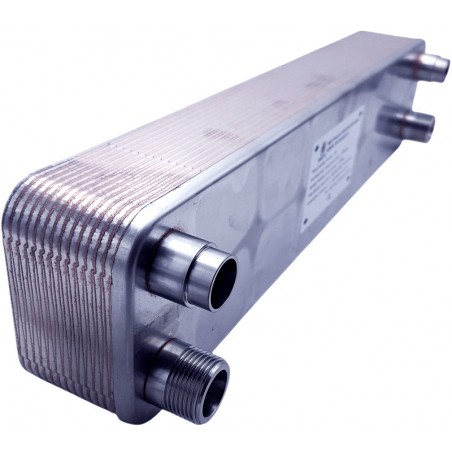
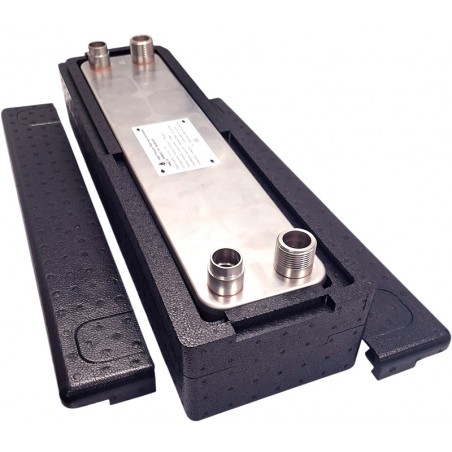
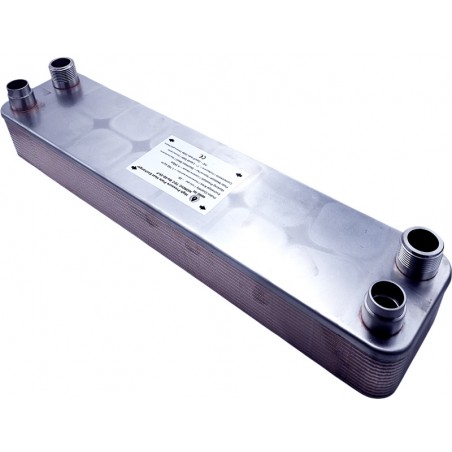
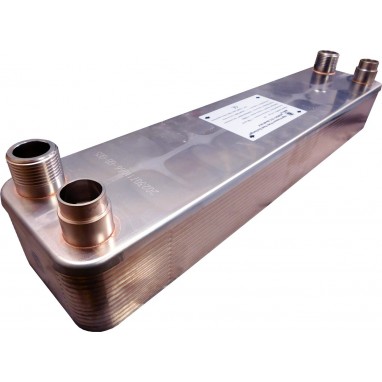
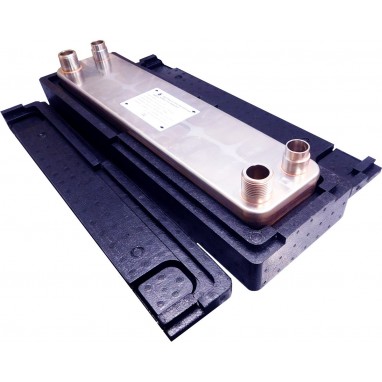
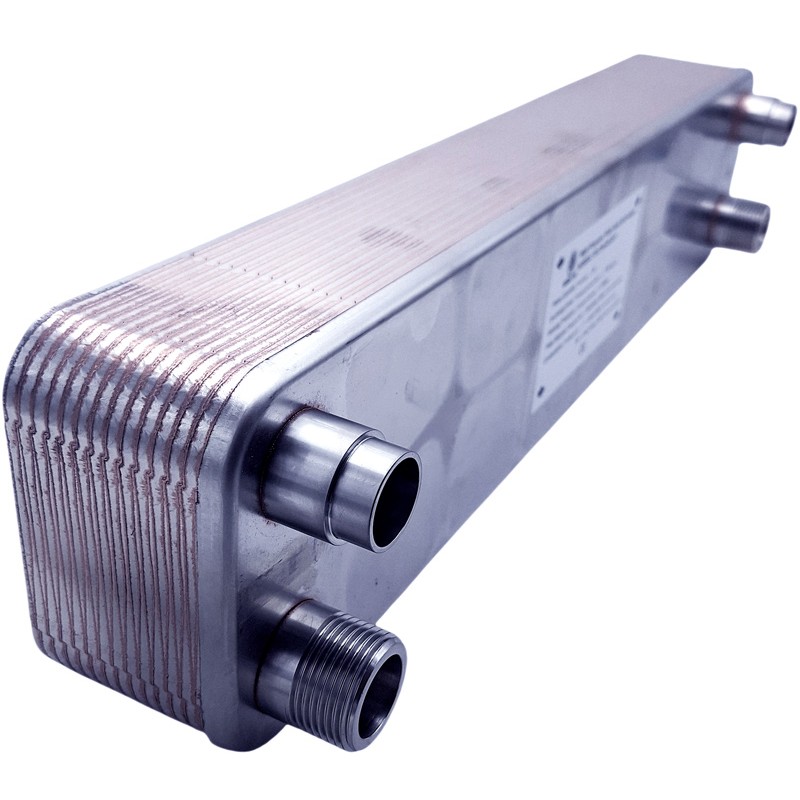
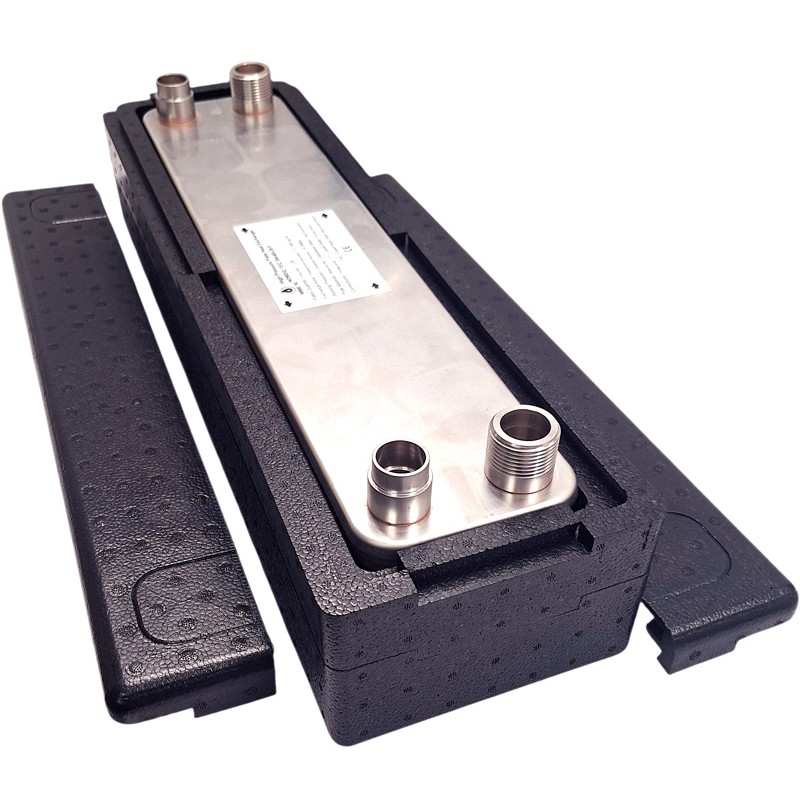
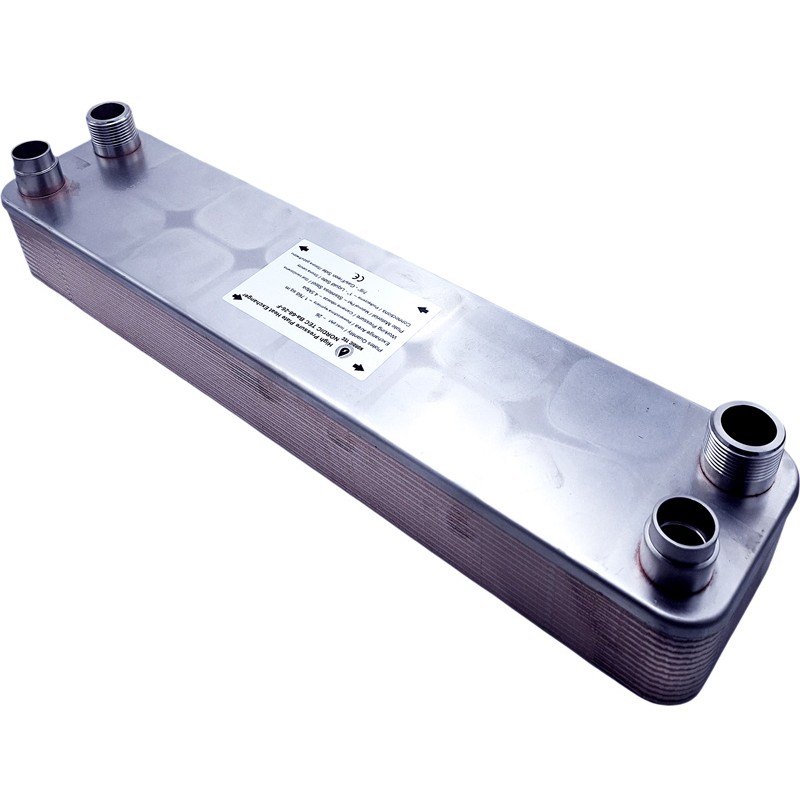
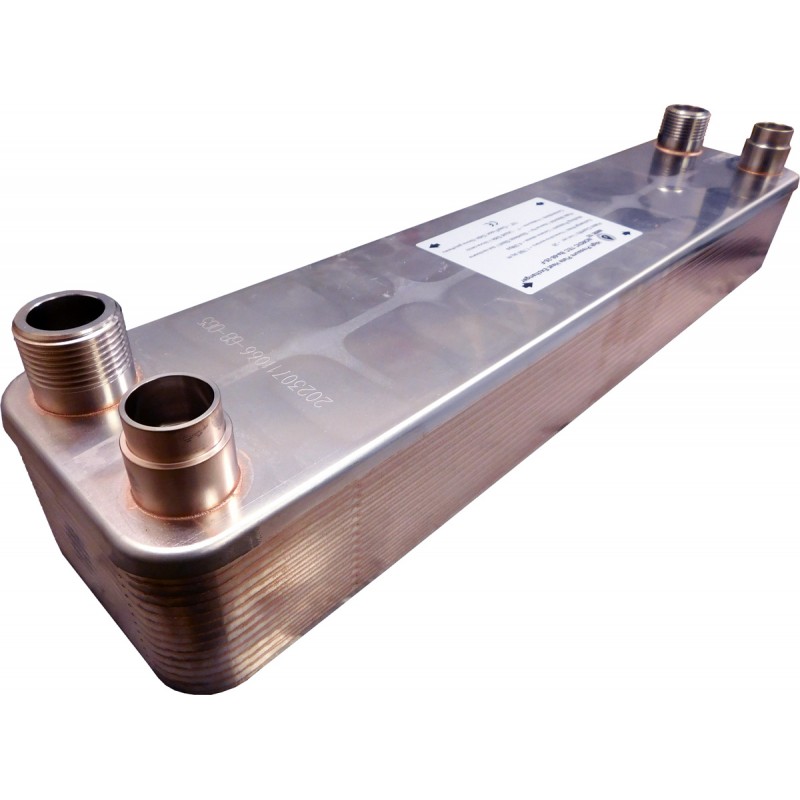
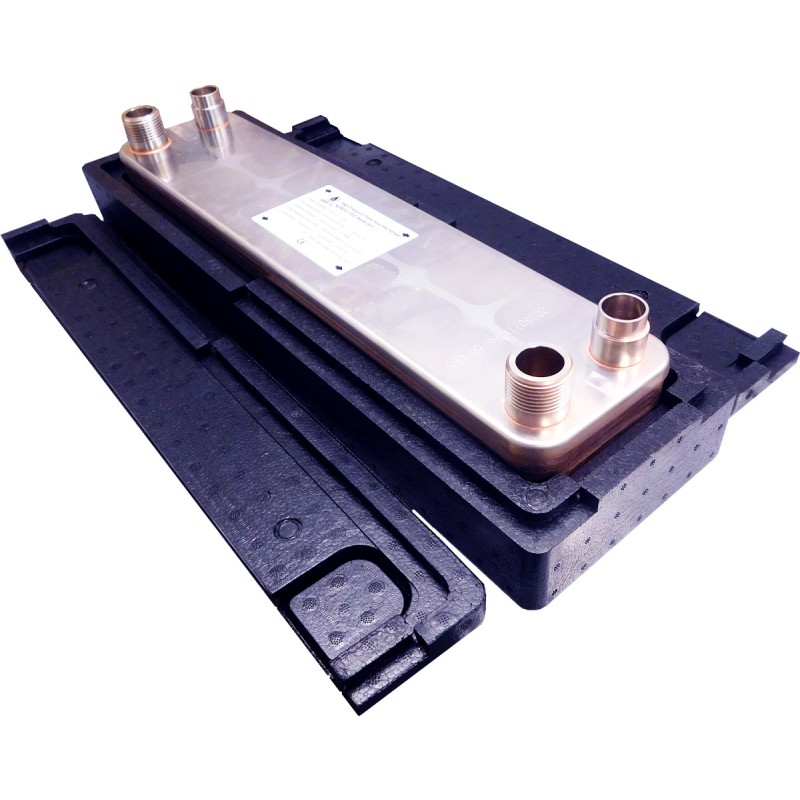
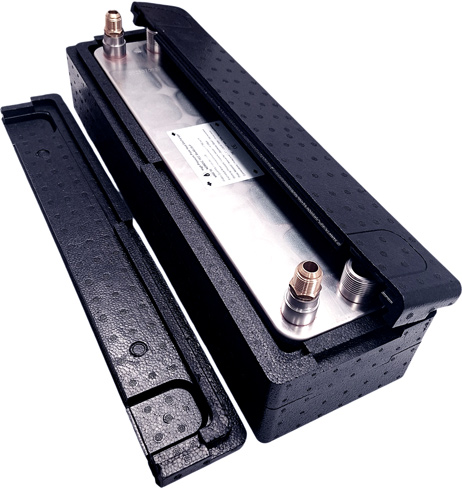
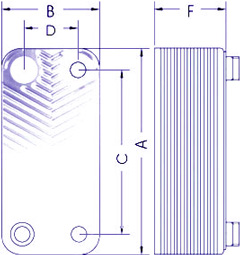
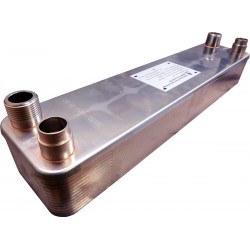
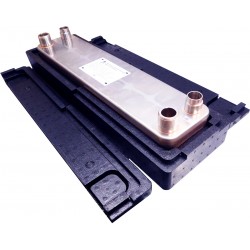
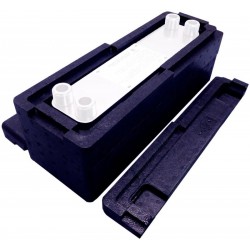
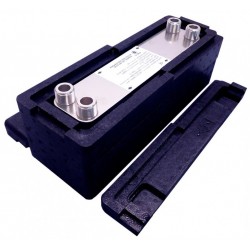
How does the heat pump condenser work in the form of the plate heat exchanger Ba-68-26-F?
Essentially the heat pump condenser is always a type of heat exchanger - it operates on the principle of heat exchange between the refrigerant gas and the surroundings. When the refrigerant gas flows through the condenser, it releases the accumulated heat, causing it to change from a gaseous to a liquid state. This process is possible due to the temperature difference between the refrigerant gas and the surroundings. A secondary process involves the transfer of heat to the liquid, which is how heating occurs.
In various applications, the condenser can take different forms - for example, consisting of coils or tubes through which the refrigerant gas flows - and so on. During this process, heat is removed from the refrigerant gas, causing it to condense and change state from gas to liquid - this remains consistent. However - using plate heat exchangers in this form seems to be an optimal solution in terms of price, performance and availability on the market. The plate exchanger is probably the best ready-made solution on the market that can function as a condenser. It's important that it's not just any heat exchanger but a carefully selected high-pressure model (45 bar).
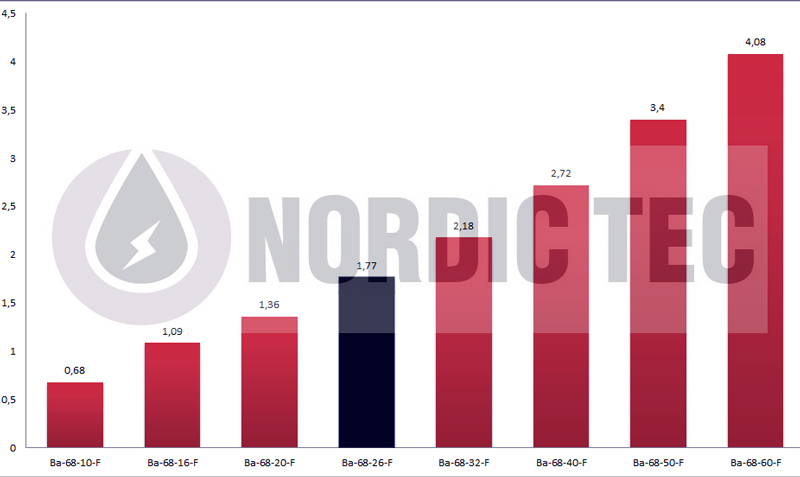
The application of the condenser in a heat pump with a power of 16 kW - 18 kW
The Ba-68-26-F heat exchanger is a condenser with a maximum power of 16 kW - 18 kW - this is the power rating of devices operating with the refrigerant to which it is intended. It is designed for relatively large systems with greater heating and cooling needs. Its role is to ensure an effective condensation process of the refrigerant gas - which enables achieving the appropriate temperature in the thermal circuit. Through proper gas condensation --> the heat pump can efficiently extract heat from the surroundings or environment and transfer it into the building for heating or cooling purposes.